Dr. Prashant Jain, Vascular & Endovascular Surgeon at Max Hospital, Shalimar Bagh, delivers advanced, personalized vascular care.Book Appointment
My Approach to Vascular Care

I believe that good vascular care begins with understanding the patient, not just the disease. Vascular conditions can affect mobility, independence, quality of life, and, in some cases, can become life-threatening if not diagnosed and treated at the right time. My role as a Vascular and Endovascular Surgeon is to provide timely, precise, and evidence-based care while helping patients understand their condition and treatment options.


My practice focuses on the management of arterial and venous disorders, aortic diseases, peripheral arterial disease, diabetic foot, varicose veins, vascular trauma, and dialysis access problems. I have a particular interest in combining conventional vascular surgery with modern endovascular and minimally invasive techniques, choosing the approach that is most appropriate for each patient.


My vision is to make advanced vascular care accessible, personalized, and outcome-focused. Whether a patient requires an endovascular procedure, open surgery, or careful medical management, I believe every treatment decision should be based on clinical need, safety, long-term outcomes, and the patient's individual goals.


I also believe that successful treatment extends beyond the procedure itself. Clear communication, careful preoperative assessment, meticulous technique, and structured postoperative care are equally important.


My commitment is to combine clinical expertise, advanced technology, and compassionate care to help patients protect their vascular health, preserve their mobility, and return to a better quality of life.

  • 12+

    Years of Experience and Surgical Expertise

  • 500+

    Successful Varicose Vein Surgeries Performed

  • 300+

    Dialysis Access Procedures Done

  • 1K+

    Lives Touched and Healed

Our Healthcare Services

Comprehensive Management of Vascular & Endovascular Conditions

Comprehensive Management of Vascular & Endovascular Conditions
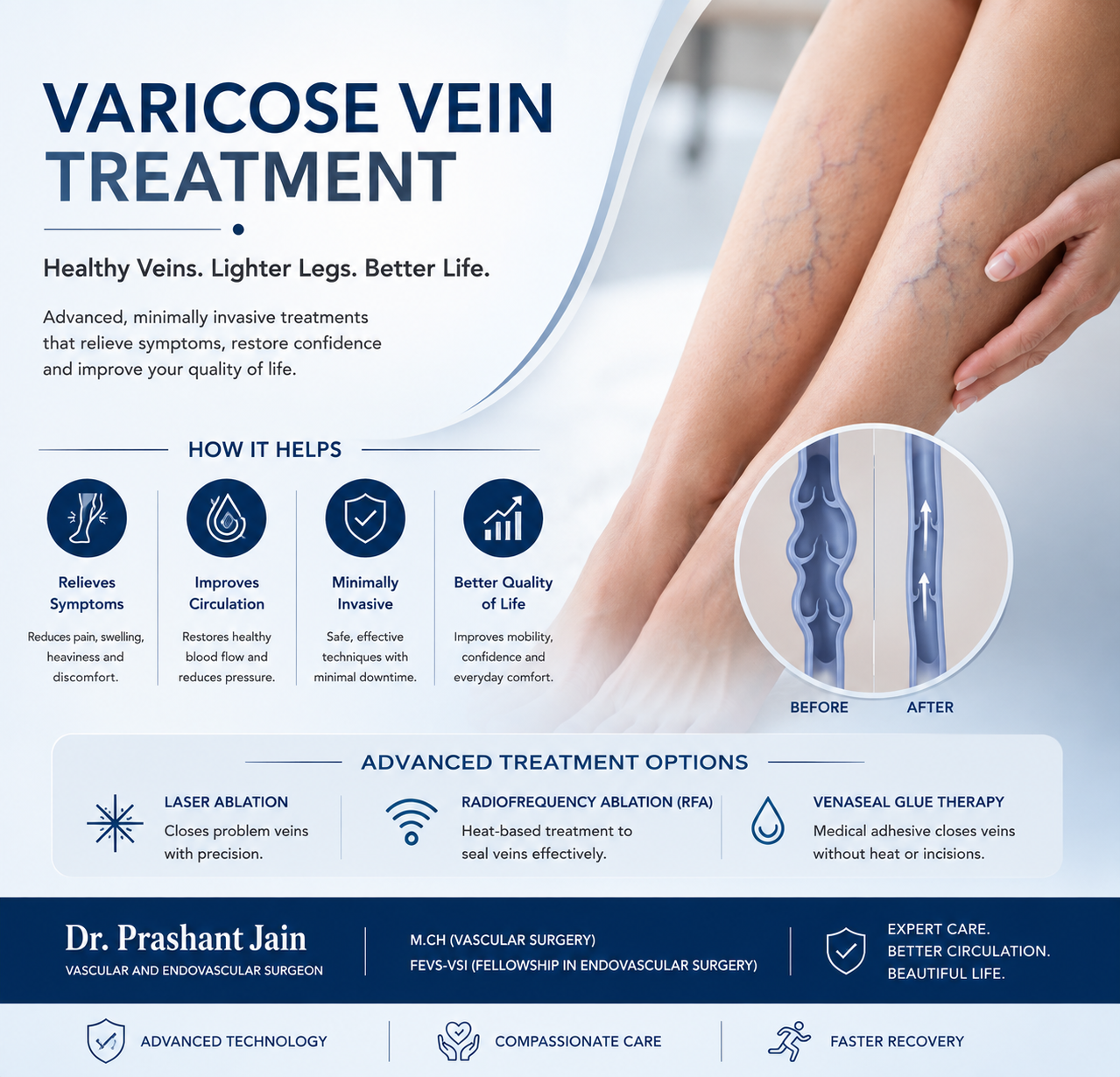
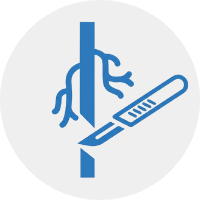
Varicose Vein Treatment
Comprehensive Management of Vascular & Endovascular Conditions
Diabetic Foot Care
Comprehensive Management of Vascular & Endovascular Conditions
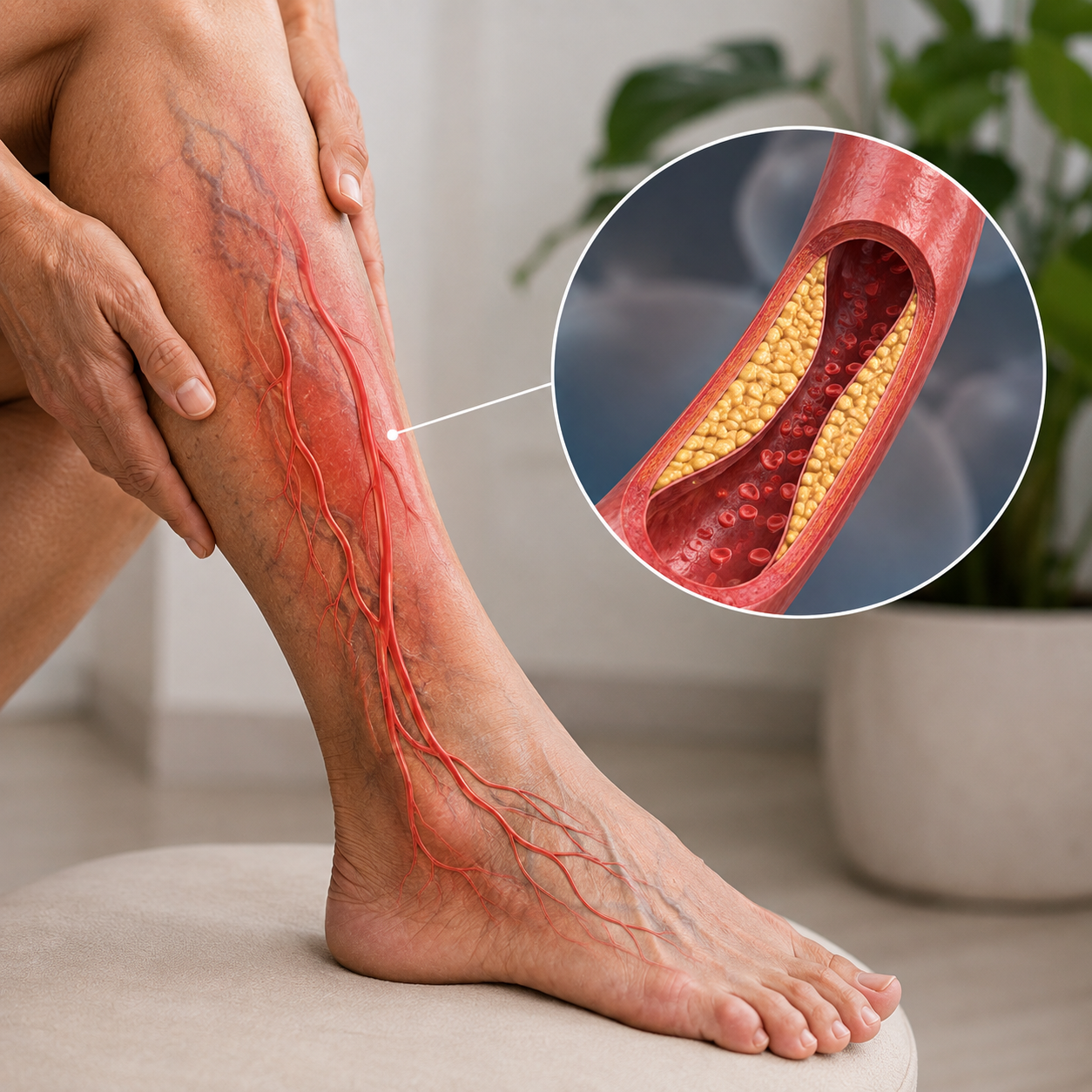
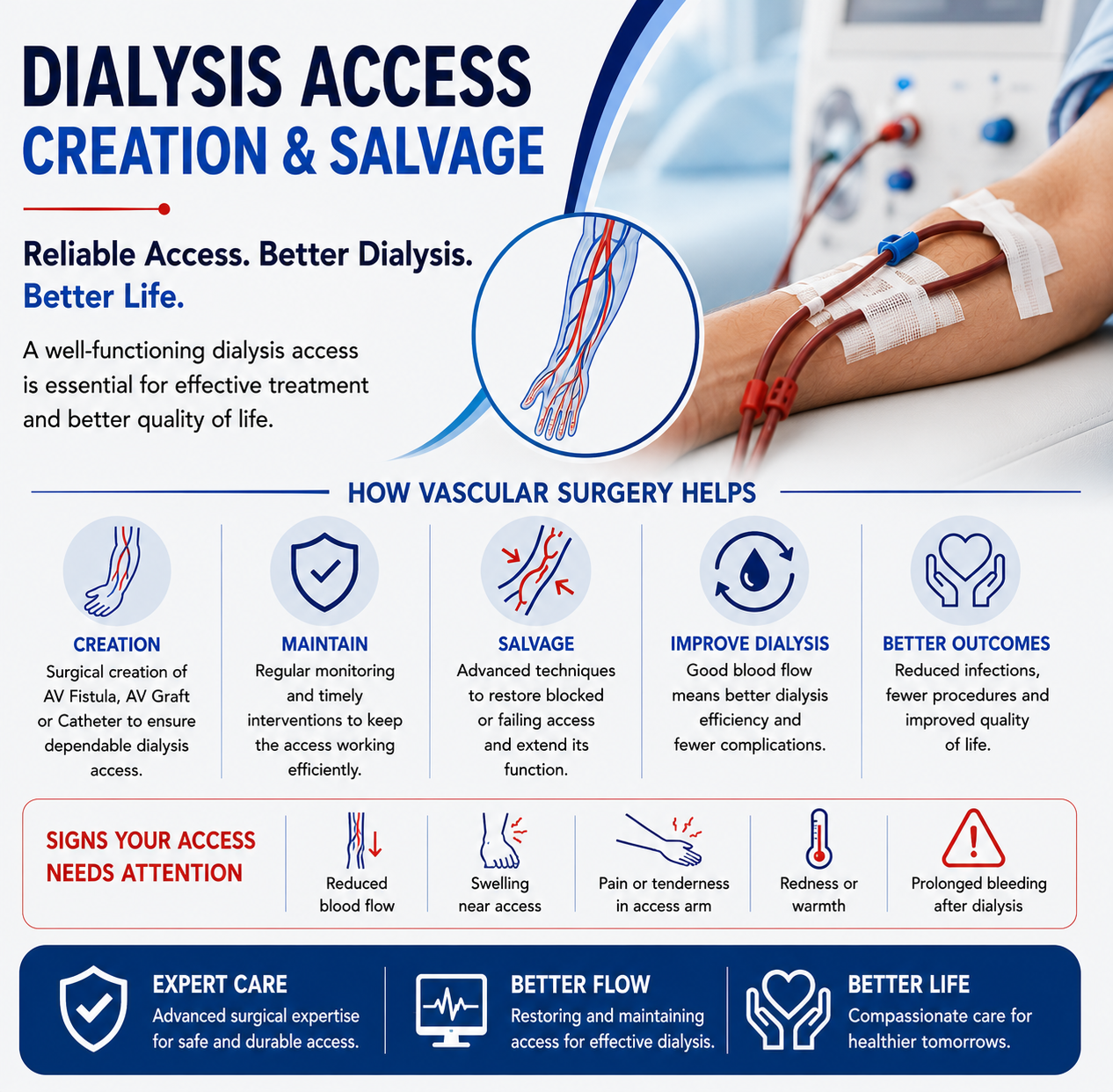
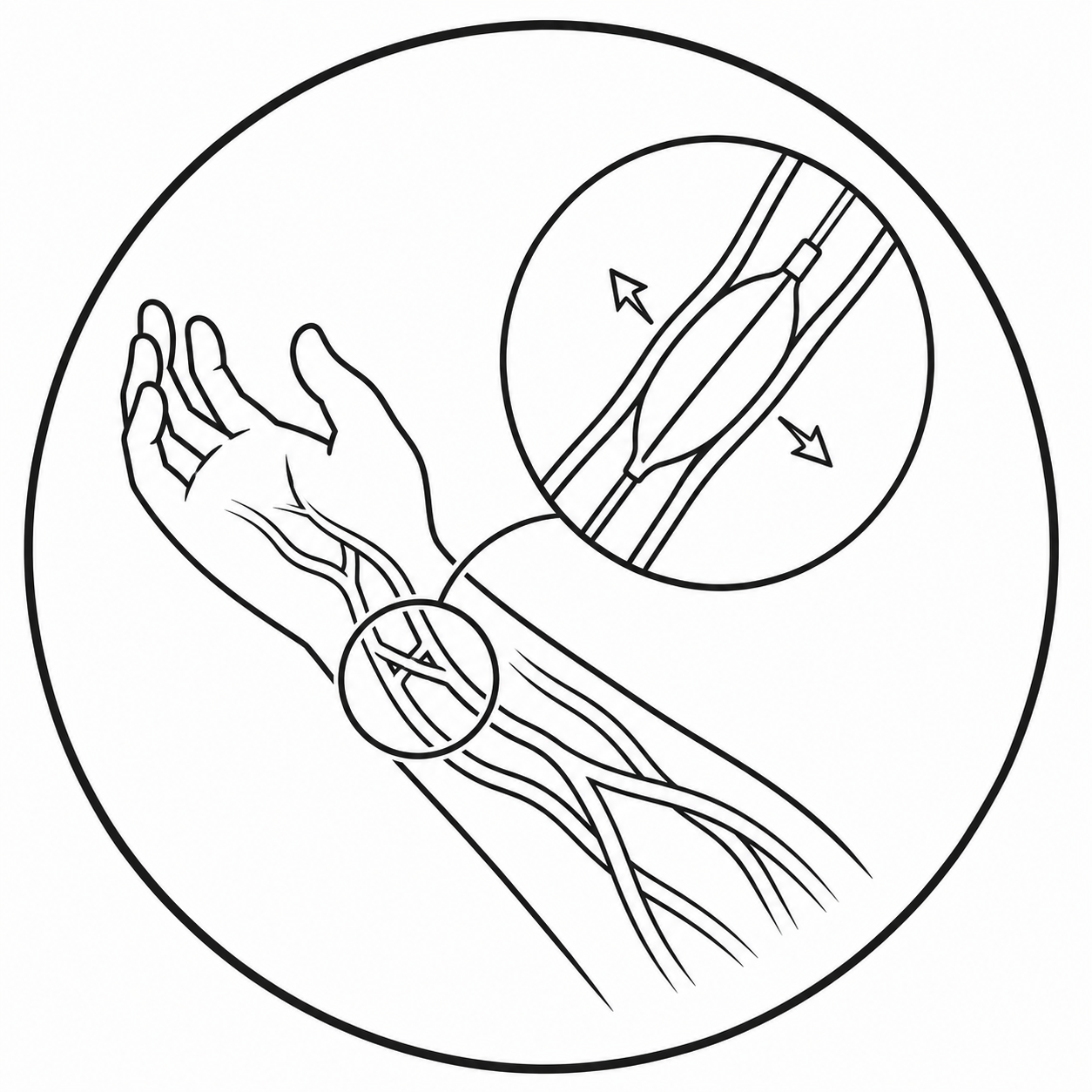
Dialysis Access Creation & Salvage
Comprehensive Management of Vascular & Endovascular Conditions

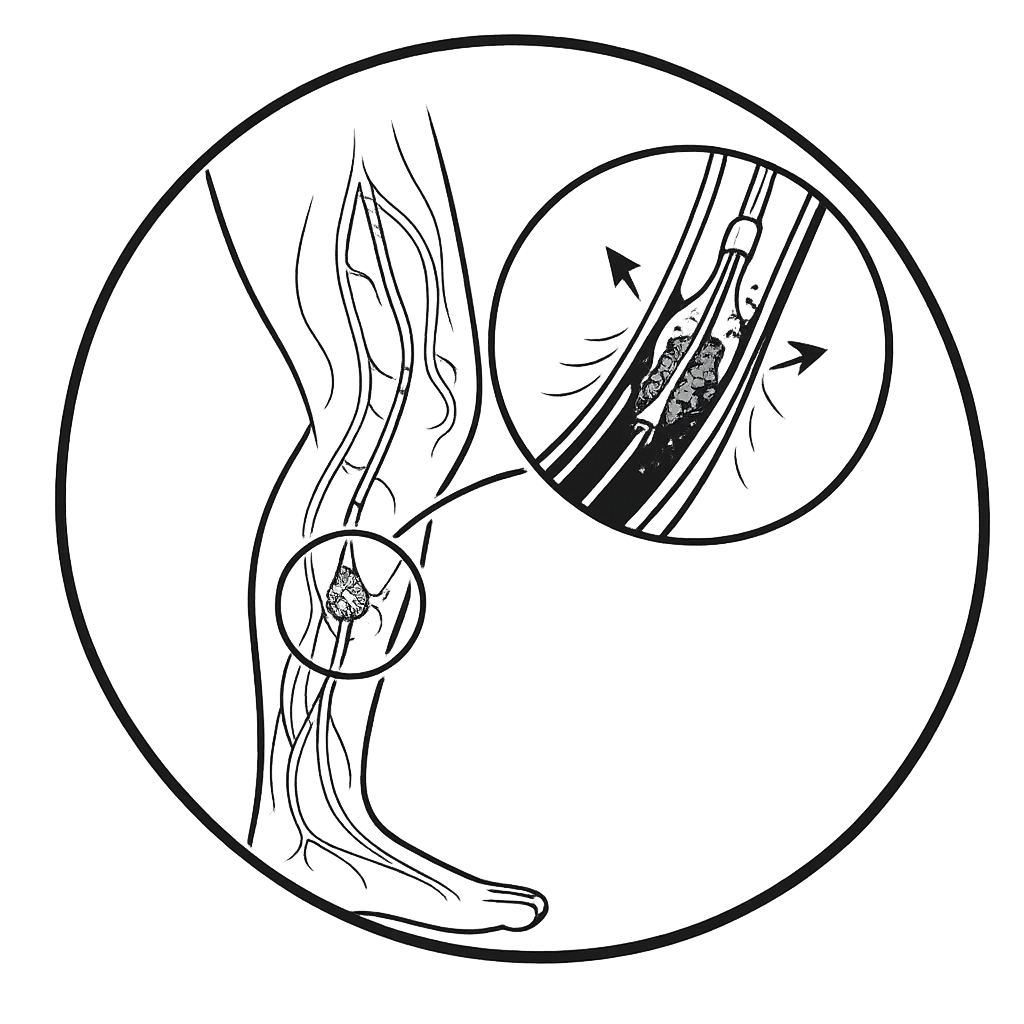
Peripheral Arterial Disease Management
Comprehensive Management of Vascular & Endovascular Conditions
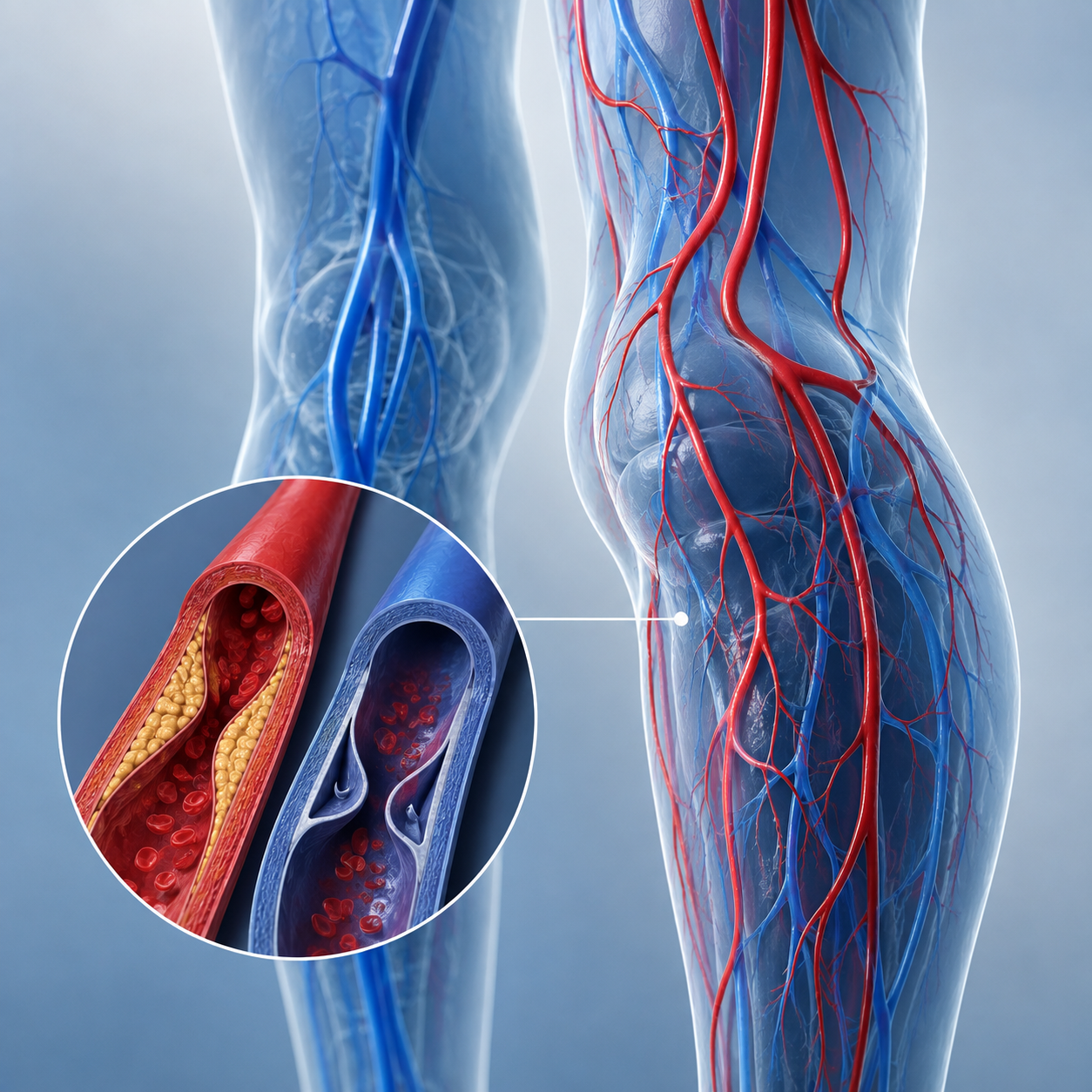
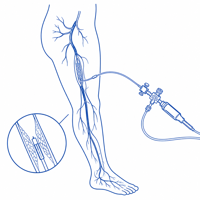
Endovascular Procedures
Comprehensive Management of Vascular & Endovascular Conditions
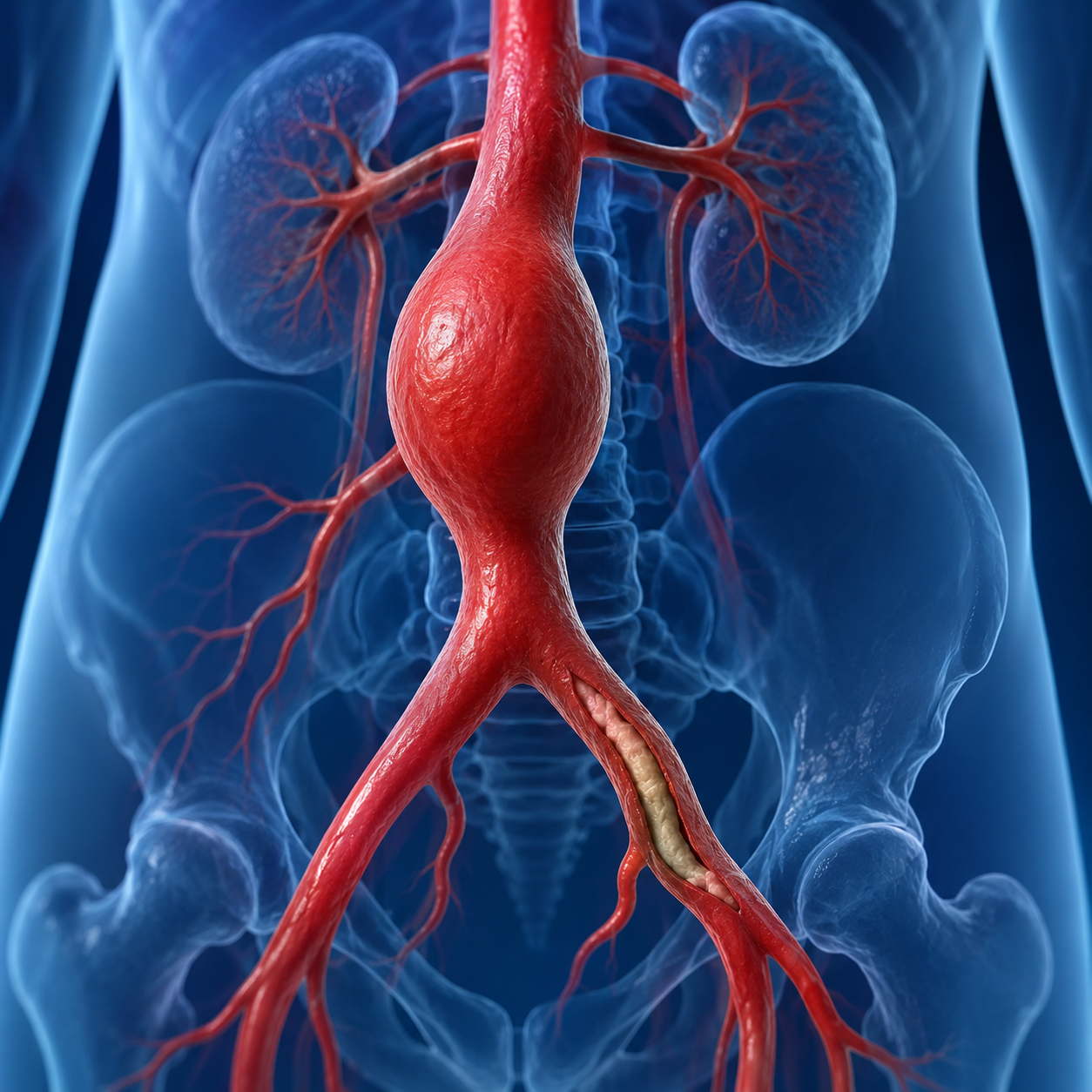
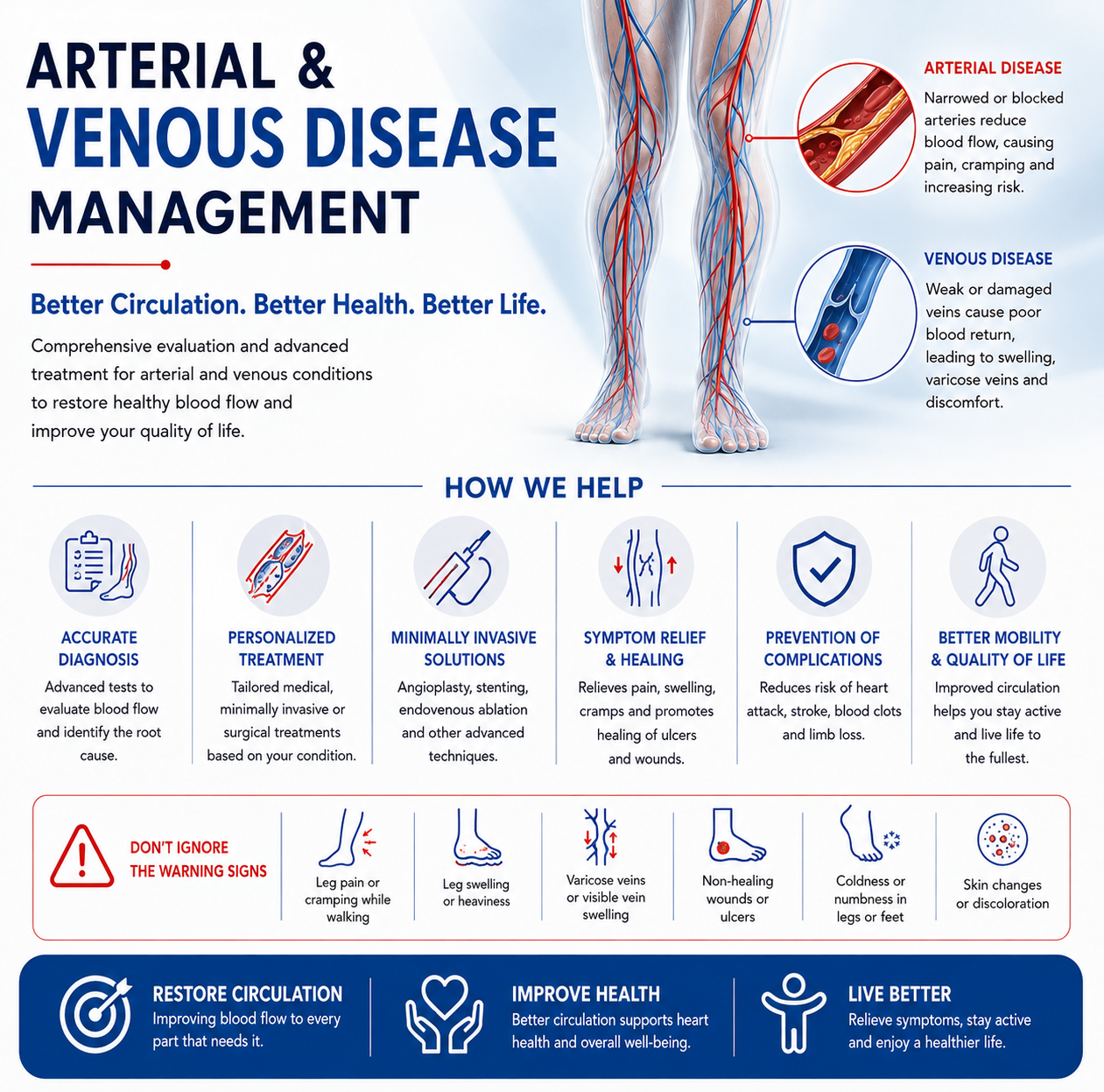
Arterial & Venous Disease Management
Comprehensive Management of Vascular & Endovascular Conditions
Aortic Aneurysm & Occlusion Management

Dr. Prashant Jain

Vascular & Endo Vascular Surgeon

Call
Video Call
In person
Dr. Prashant Jain
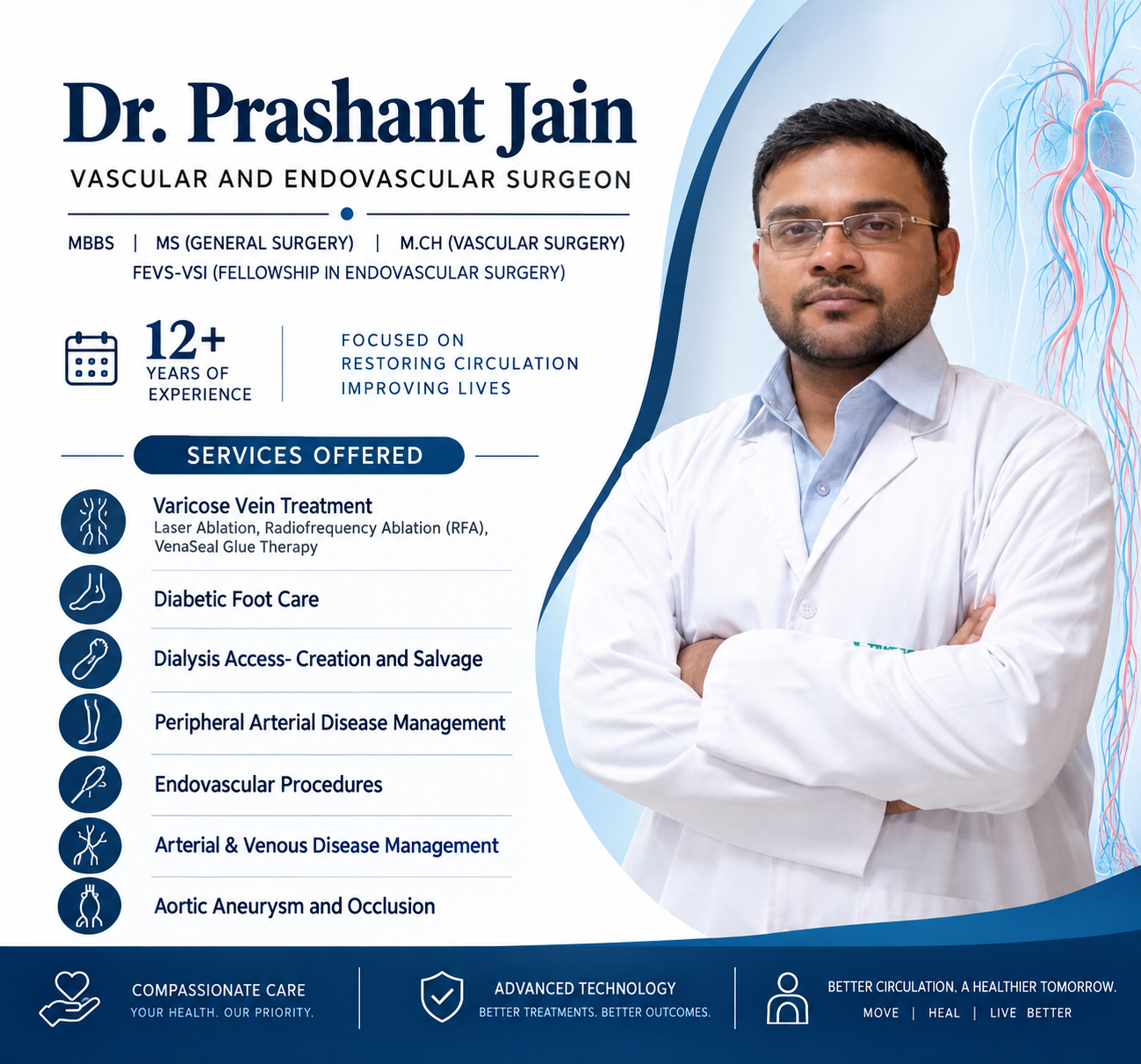
Qualification:MBBS, MS (General Surgery), M.CH (Vascular Surgery), FEVS-VSI (Fellowship in Endovascular Surgery)
Experience:12.0 Years
Licence No.:DMC-19261
Dr. Prashant Jain is a Vascular and Endovascular Surgeon at Max Hospital, Shalimar Bagh, specializing in the diagnosis and management of arterial, venous, and complex vascular disorders. He holds MBBS, MS in General Surgery, and MCh in Vascular Surgery, with advanced training in vascular and endovascular procedures. His clinical expertise encompasses aortic aneurysms, aortoiliac occlusive disease, peripheral arterial disease, diabetic foot, varicose veins, deep vein thrombosis, vascular trauma, vascular tumors, and dialysis access creation and salvage. He is experienced in both open and minimally invasive endovascular procedures, including EVAR, angioplasty, stenting, varicose vein ablation and sclerotherapy, carotid endarterectomy, peripheral bypass surgery, and dialysis access procedures. Dr. Jain has also contributed to vascular surgery research and academic publications, with work covering complex aortic aneurysms, carotid surgery, renal artery aneurysms, and venous disease. He has presented research at reputed national and international vascular conferences, including the Charing Cross Symposium, London, and has received multiple academic and presentation awards. His approach focuses on evidence-based treatment, precision, patient safety, and individualized vascular care, helping patients understand their treatment options and achieve optimal outcomes.

Frequently Asked Questions

Need Answers? Find them here...

A vascular and endovascular surgeon diagnoses and treats conditions affecting the arteries, veins, and lymphatic circulation, excluding diseases of the heart itself. Common conditions include peripheral arterial disease, aortic aneurysms, carotid artery disease, varicose veins, diabetic foot complications, vascular trauma, dialysis access problems, and venous disorders. Treatment may involve lifestyle and medical management, minimally invasive endovascular procedures, or conventional open surgery. The appropriate approach depends on the patient's condition, severity, overall health, and long-term vascular and functional goals.

You should consider consulting a vascular surgeon if you experience persistent leg pain while walking, unexplained swelling, non-healing wounds, changes in skin colour or temperature, prominent or painful veins, or symptoms associated with poor circulation. Patients with diabetes who develop foot ulcers, infections, or persistent wounds may also require specialist vascular assessment. Individuals diagnosed with peripheral arterial disease, aneurysms, vascular blockages, or dialysis access problems should receive appropriate specialist care. Early evaluation can help identify vascular disease and determine timely treatment before complications become more serious.

Peripheral arterial disease (PAD) occurs when arteries supplying the limbs, particularly the legs, become narrowed or blocked, commonly due to atherosclerosis. Patients may experience leg pain while walking, reduced walking distance, cold feet, skin changes, or non-healing wounds. Management depends on disease severity and may include lifestyle modification, control of cardiovascular risk factors, medications, supervised exercise, angioplasty, stenting, or bypass surgery. In patients with severe disease or threatened limbs, timely vascular assessment and revascularization may be necessary to restore blood flow and prevent tissue loss.

Varicose vein treatment depends on the underlying venous problem, symptoms, and severity. Evaluation may include a clinical examination and duplex ultrasound to assess venous blood flow and identify reflux. Depending on the findings, treatment can range from compression therapy and lifestyle measures to minimally invasive procedures. Modern options include laser ablation, radiofrequency ablation (RFA), Venaseal glue therapy, sclerotherapy, and, in selected cases, surgery. A vascular surgeon determines the most appropriate treatment based on the patient's symptoms, vein anatomy, medical history, and treatment goals.

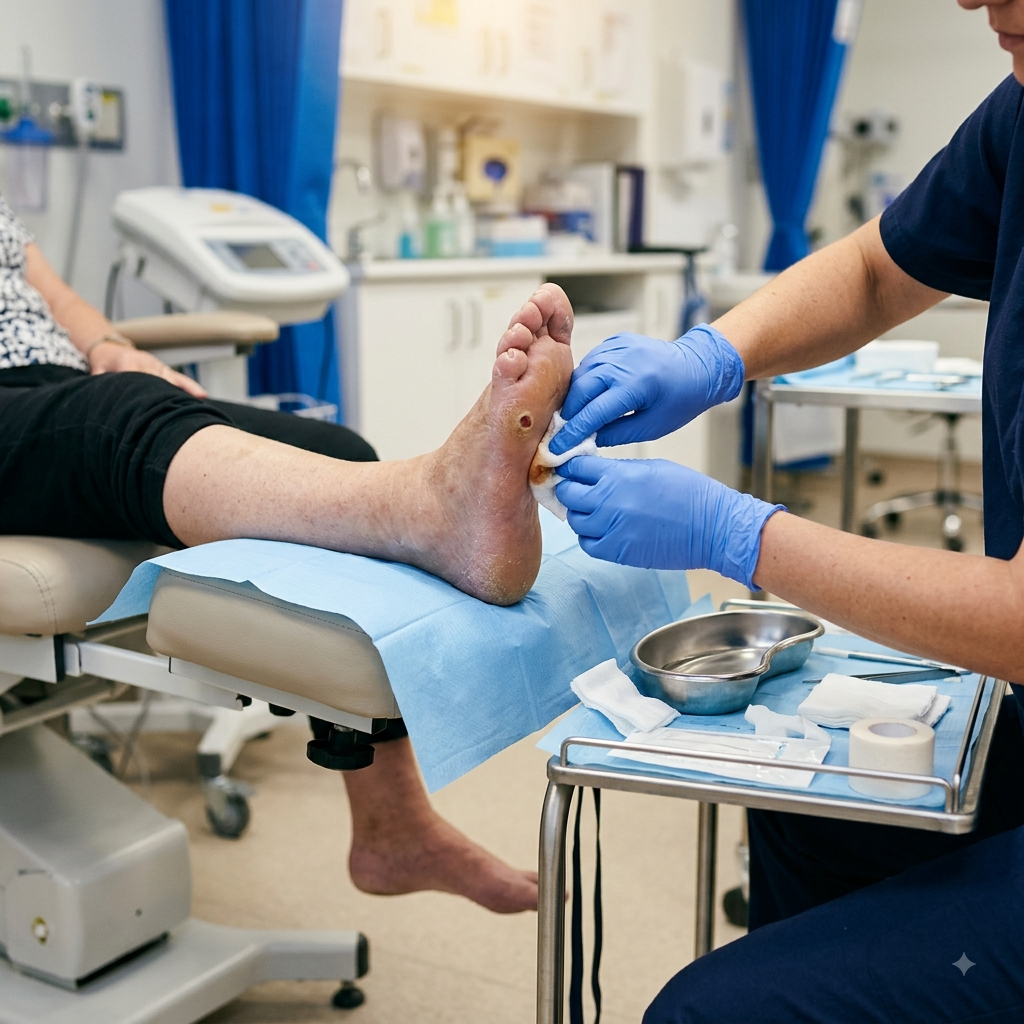
Diabetes can damage nerves and blood vessels, increasing the risk of foot ulcers, infection, poor wound healing, and, in severe cases, limb-threatening complications. Vascular assessment is particularly important when a diabetic foot wound does not heal normally or when there are signs of reduced blood circulation. Treatment may involve wound care, infection management, pressure relief, control of diabetes and cardiovascular risk factors, and restoration of blood flow when required. Early multidisciplinary management can help promote healing, preserve limb function, and reduce the risk of major complications.

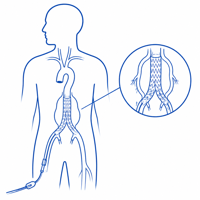
An aortic aneurysm is an abnormal enlargement or weakening of a section of the aorta, the body's main artery. Many aneurysms may not cause symptoms and can be detected incidentally during imaging. Larger or rapidly growing aneurysms may carry a risk of rupture and require specialist evaluation. Management depends on the aneurysm's size, location, growth rate, symptoms, and the patient's overall health. Treatment may include regular imaging and risk-factor management or intervention using open surgery or endovascular aneurysm repair (EVAR), where appropriate.

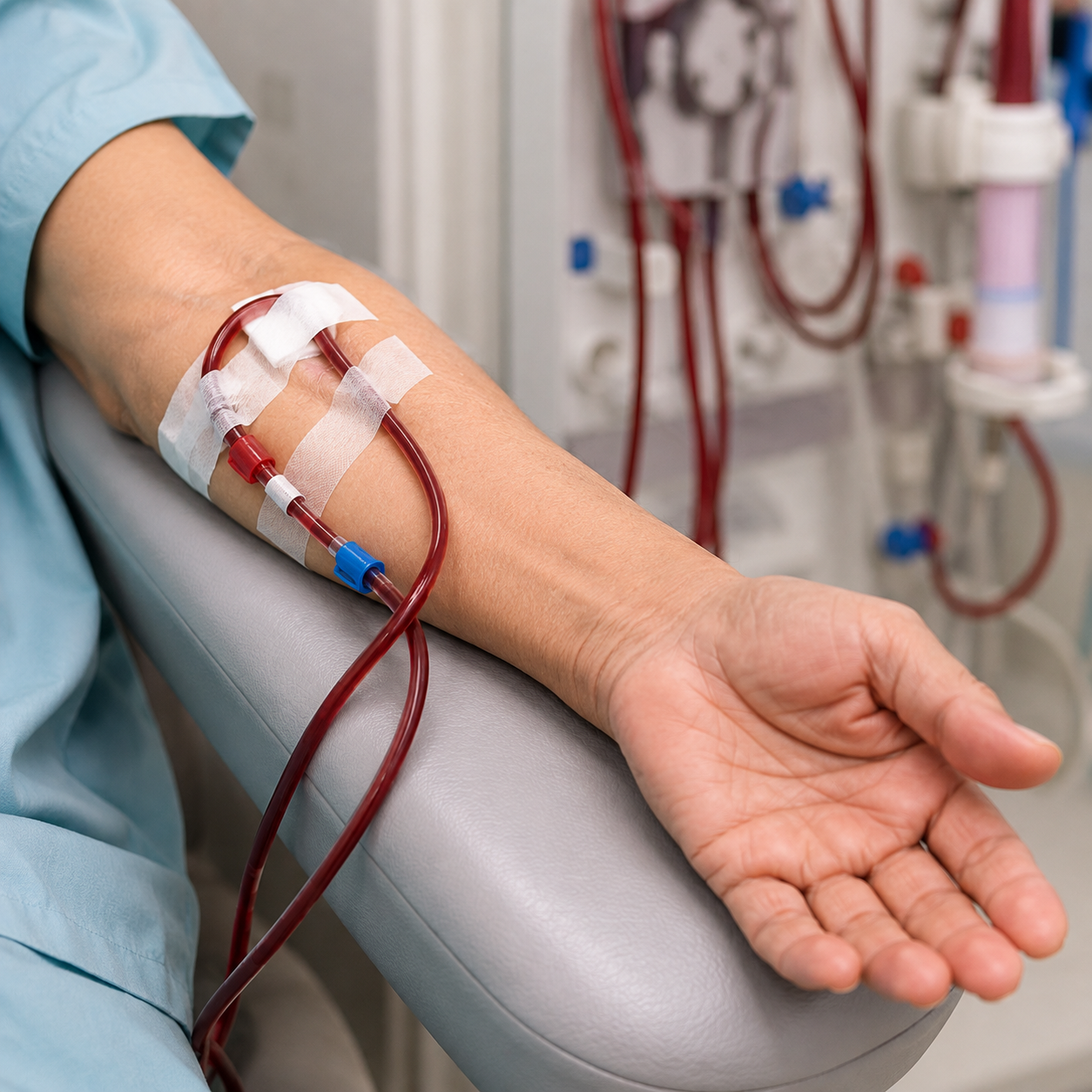
Dialysis access provides a reliable route for patients receiving haemodialysis. Access may be created surgically as an arteriovenous fistula or graft, depending on the patient's vascular anatomy and clinical requirements. Over time, dialysis access can develop narrowing, blockage, infection, thrombosis, or poor blood flow. Vascular surgeons can evaluate and treat these complications through surgical or endovascular techniques, with the goal of restoring or preserving access function. Timely assessment of a poorly functioning access can help prevent access loss and interruptions in dialysis treatment.

Endovascular procedures are minimally invasive treatments performed from within blood vessels. Instead of making a large surgical incision, the surgeon typically accesses a blood vessel through a small puncture and uses specialised catheters, wires, balloons, stents, or other devices to treat the affected area. Depending on the condition, endovascular treatment may be used for arterial blockages, aneurysms, and other vascular disorders. Procedures such as angioplasty, stenting, and EVAR can offer selected patients an alternative to conventional open surgery, with treatment choice based on individual anatomy and clinical requirements.

Vascular surgery encompasses the broader surgical management of diseases affecting arteries and veins and may include both open and minimally invasive techniques. Endovascular treatment is a minimally invasive branch of vascular intervention in which the surgeon treats a vascular problem from inside the blood vessel using catheters and specialised devices. Depending on the condition, an endovascular approach, open surgery, or a combination of techniques may be appropriate. The decision is based on factors such as vascular anatomy, disease severity, symptoms, overall health, and expected long-term outcomes.

Reduced blood flow to the legs can cause symptoms such as pain or cramping during walking that improves with rest, cold feet, numbness, weakness, changes in skin colour, reduced hair growth, or slow-healing wounds. In more advanced disease, patients may experience pain even at rest, particularly at night, or develop ulcers and tissue damage. These symptoms should not be ignored, especially in people with diabetes, smoking history, high blood pressure, or high cholesterol. A vascular evaluation can help determine whether arterial disease is responsible.

Many vascular conditions can initially be managed without surgery, depending on their type and severity. Treatment may include lifestyle modification, smoking cessation, regular physical activity, weight management, control of blood pressure, diabetes and cholesterol, and appropriate medications. However, some conditions require an intervention when symptoms are severe, disease progresses, circulation is critically reduced, or there is a risk to an organ or limb. A vascular surgeon assesses the individual clinical situation and recommends medical management, endovascular treatment, open surgery, or a combination when appropriate.

Early evaluation can help identify vascular disease before it progresses to serious complications. Conditions such as peripheral arterial disease, aneurysms, venous disorders, and diabetic foot problems may initially produce subtle or intermittent symptoms. Delayed treatment can sometimes lead to tissue damage, limb-threatening ischemia, infection, thrombosis, or other complications. Specialist assessment allows appropriate diagnostic testing and helps determine whether medical management, surveillance, endovascular intervention, or surgery is required. Timely, individualized care can improve the opportunity to preserve circulation, mobility, limb function, and long-term vascular health.

Location & Location Map

Location
addressAddress

Max Super Speciality Hospital, FC 50, C and D Block, Shalimar Place Site, Shalimar Bagh, New Delhi 110088, Delhi

Location
addressAddress

NKS Super Speciality Hospital, Gulabi bagh, Delhi 110007, Delhi

  • Social Media Connect:

Working Hours

MONDAYClosed
TUESDAYClosed
WEDNESDAYClosed
THURSDAYClosed
FRIDAYClosed
SATURDAYClosed
SUNDAYClosed

Contact Us

Contact Us

  • Email: prashantjain37051@gmail.com
  • Phone: 9749878250

Social Media connect:

Website Powered by icareheal

© Dr. Prashant Jain 2025